
 By admin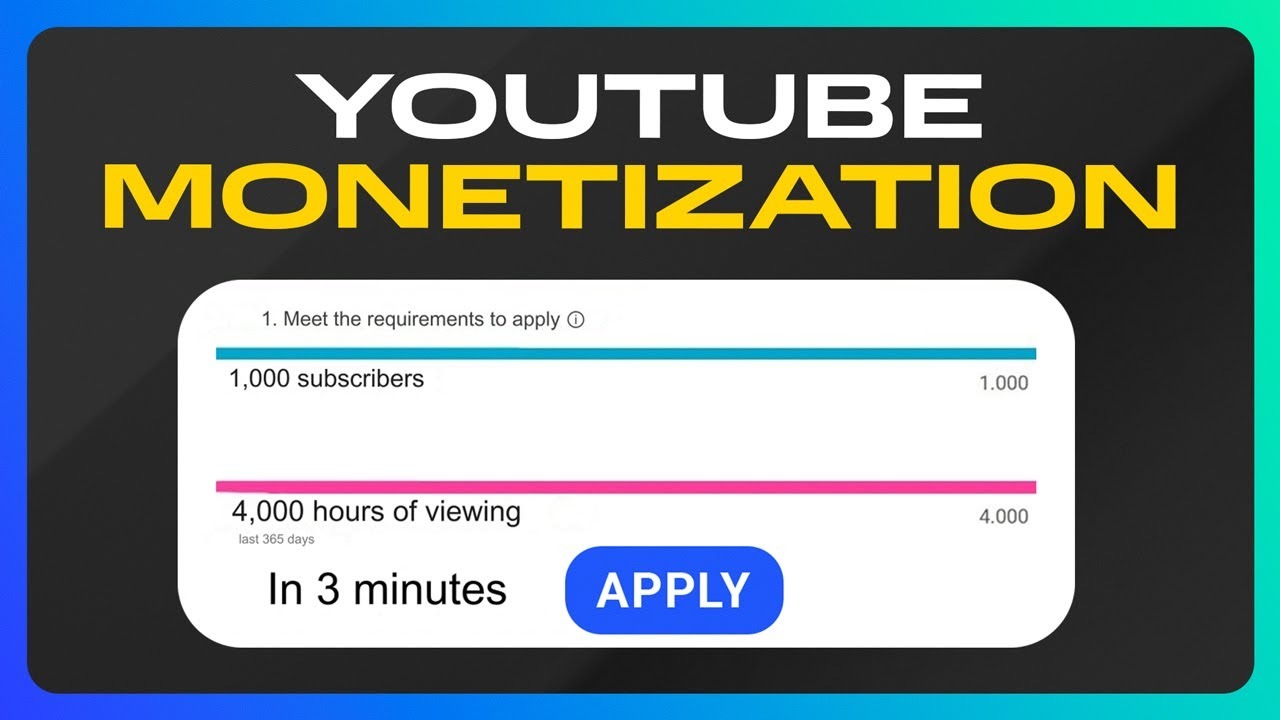
In today’s digital age, content creators across various platforms are increasingly focused on monetizing their work. Whether you are a budding YouTuber, a podcaster, or an influencer on social media, understanding which channels are monetized is crucial for maximizing your income potential and making informed decisions about where to invest your time and effort. Monetization refers to the process by which creators earn money from their content through ads, sponsorships, subscriptions, merchandise sales, or other revenue streams.
One of the most popular platforms known for monetization opportunities is YouTube. On YouTube, channels become eligible for monetization once they meet specific criteria set by the platform’s Partner Program. These requirements typically include having at least 1,000 subscribers and 4,000 watch hours in the past 12 months. Once these thresholds are crossed and the channel adheres How to find YouTube is monetised community guidelines and copyright rules, it can start earning revenue from advertisements displayed during videos. Creators can also benefit from channel memberships and Super Chat features during live streams.
Similarly, Twitch offers monetization options primarily through its Affiliate and Partner programs. Affiliates gain access to subscriptions and Bits (a virtual currency viewers use to support streamers), while Partners enjoy additional perks such as ad revenue sharing and customized emotes for subscribers. This structure incentivizes streamers to grow their audience while providing multiple avenues for generating income.
Beyond video platforms, podcasting has emerged as a viable avenue for monetization as well. Podcasters often monetize through sponsorship deals embedded within episodes or via listener-supported models like Patreon subscriptions or exclusive bonus content offerings. Many podcast hosting services now provide analytics tools that help creators identify which episodes attract more listeners-and consequently more potential sponsors-thus allowing them to optimize their strategies.
Social media networks such as Instagram TikTok also offer direct ways of earning money through branded content partnerships or creator funds designed to reward popular posts with financial incentives based on views or engagement metrics.
To see which channels are monetized effectively requires research into each platform’s policies along with monitoring public indicators such as subscriber counts or follower numbers combined with engagement rates like views per post/video/episode. Tools like Social Blade provide insights into estimated earnings across different channels by analyzing traffic statistics publicly available online.
Understanding where your favorite creators monetize helps consumers appreciate the effort behind free content while empowering aspiring influencers with knowledge about viable career paths in digital creation spaces.
In conclusion, identifying which channels are monetized involves examining eligibility criteria set forth by each platform alongside visible performance metrics indicating active revenue generation methods. As digital ecosystems evolve rapidly so do opportunities-staying informed ensures both creators and audiences navigate this landscape wisely toward sustainable success in online content creation endeavors.